
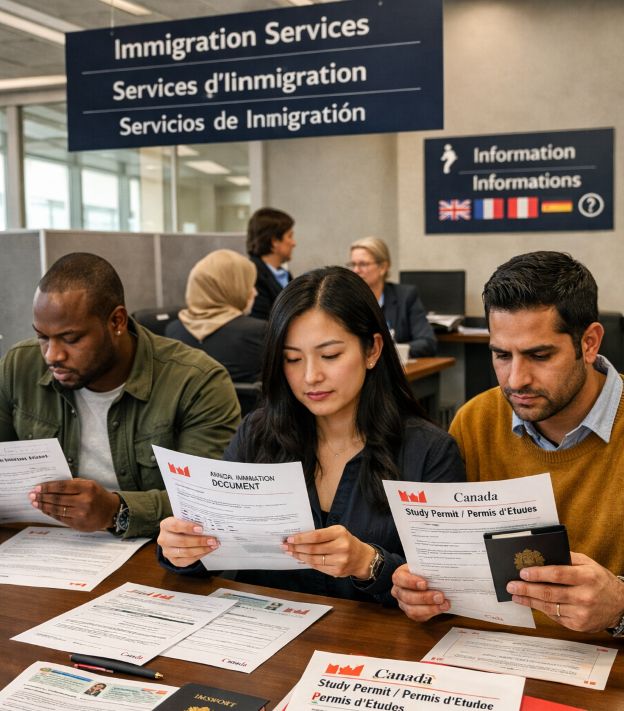
Migration remains one of the most widely reported global policy issues, with governments, employers, educational institutions, and applicants closely following changes to immigration systems. Language testing has become a central part of that conversation because many countries use language proficiency requirements to assess eligibility, integration potential, and long-term settlement readiness. Discussions surrounding French-language assessments such as TCF CA frequently appear alongside broader coverage of immigration reforms, skilled worker programs, and language certification standards. As media attention on migration continues to expand, language testing has emerged as a recurring topic in international reporting.
Recent reporting trends show growing interest in how governments evaluate applicants through standardized language assessments. Coverage often focuses on changing immigration policies, labor shortages, international student pathways, and economic migration programs. Data from the Organization for Economic Co-operation and Development (OECD) indicates that migration flows have increased in many developed economies following pandemic-related disruptions, leading policymakers to reassess eligibility criteria and integration strategies. As a result, language certification programs have become more visible in public discussions about migration management.
Media organizations increasingly examine how language requirements affect applicants seeking work permits, permanent residence, and citizenship opportunities. Reports frequently explore testing systems, preparation challenges, fairness concerns, and the role of language skills in successful integration. Several factors help explain why language testing continues to attract sustained media attention.
1. Immigration Policies Are Becoming More Language-Focused
One of the most significant reasons language testing receives media attention is the growing emphasis many governments place on language proficiency. Countries such as Canada, Australia, New Zealand, and several European nations incorporate language assessments into immigration selection systems.
Research from the OECD shows that language skills are often linked to labor market participation and long-term integration outcomes. Because immigration policies frequently change, journalists regularly report on updates to language benchmarks, testing requirements, and eligibility criteria. These developments generate public interest, especially among prospective migrants seeking accurate information about application requirements.
2. International Mobility Has Increased Public Interest in Testing Requirements
Global mobility has expanded opportunities for education, employment, and family reunification across borders. Data published by the United Nations Department of Economic and Social Affairs (UN DESA) estimates that international migrants now number more than 280 million worldwide.
As migration becomes increasingly common, language certification programs receive greater scrutiny. News reports often explain which tests are accepted by immigration authorities, how scores are calculated, and what applicants must do to meet eligibility standards. Because large audiences may be directly affected by these requirements, language testing frequently becomes a headline topic whenever migration policies change.
3. Labor Market Needs Are Driving Immigration Discussions
Many countries face workforce shortages in sectors such as healthcare, technology, construction, and skilled trades. Governments often adjust immigration programs to address these shortages while maintaining standards for communication and workplace integration.
Experts from the International Labor Organization (ILO) note that language proficiency can influence employment opportunities, workplace safety, and professional advancement. Media coverage often connects labor shortages with immigration pathways, creating additional attention around language assessments used during the application process.
When policymakers announce changes designed to attract skilled workers, journalists frequently analyze whether language requirements have become more flexible, more demanding, or better aligned with labor market needs.
4. French-Language Immigration Programs Are Receiving Greater Coverage
French-language immigration initiatives have gained visibility in recent years, particularly in countries that promote bilingualism or seek to strengthen French-speaking communities. Canada provides one prominent example through policies designed to support francophone immigration outside predominantly French-speaking regions.
Reporting frequently highlights the role of French-language proficiency assessments within these programs. Evaluations help immigration authorities measure language competence while providing applicants with recognized credentials that may support immigration applications. Discussions about French-language testing often appear in coverage examining demographic goals, regional immigration strategies, and efforts to support linguistic diversity.
Because language policy intersects with cultural identity, economic development, and immigration planning, French-language assessments continue to receive attention from both policymakers and journalists.
5. Public Debate Around Integration and Social Cohesion Continues to Grow
Language testing also receives attention because it sits at the center of broader debates about integration and social cohesion. Policymakers often argue that language proficiency supports access to employment, education, public services, and community participation.
At the same time, some commentators question whether testing requirements create barriers for certain applicants. Media coverage frequently explores these competing viewpoints. Reports may examine accessibility concerns, testing costs, preparation resources, or differences in educational backgrounds among applicants.
This ongoing discussion ensures that language certification programs remain relevant subjects within migration reporting. Journalists often use language testing as a lens through which larger immigration policy questions can be explored.
The Role of Language Assessments Within Modern Immigration Narratives
Language evaluations have evolved from administrative requirements into widely discussed policy tools. Coverage increasingly examines how assessments fit into broader immigration objectives, including workforce development, integration planning, and demographic strategies.
Research published by the Migration Policy Institute suggests that language acquisition can influence economic outcomes and social participation among newcomers. Because these factors affect both migrants and host communities, language testing remains closely tied to public policy discussions.
Media reporting often helps audiences understand the practical implications of immigration rules. Articles explain testing requirements, score interpretations, preparation expectations, and policy changes. This information can help applicants make informed decisions while also providing broader context for public discussions about migration systems.
READ ALSO: The Effect of New Technology on the Evolution of Media and Society
How Media Coverage Shapes Public Understanding
News organizations play an important role in translating complex immigration regulations into accessible information. Through interviews, policy analysis, and data-driven reporting, journalists help audiences understand why language requirements exist and how they influence immigration outcomes.
Coverage can also shape public perceptions of fairness, accessibility, and integration objectives. Balanced reporting often presents multiple perspectives, including those of applicants, policymakers, researchers, employers, and community organizations. This broader context helps readers understand the various factors influencing language-related immigration policies.
As migration continues to evolve, language testing is likely to remain a prominent topic in news coverage. Governments are expected to refine immigration systems, labor market needs will continue to influence policy decisions, and public discussions about integration will persist. These trends suggest that language proficiency evaluations will remain closely connected to media narratives surrounding global migration.
Language assessments serve practical administrative functions, but they also reflect larger questions about mobility, opportunity, and integration. For that reason, reporting on language certification programs will likely remain an important part of how migration issues are understood and discussed in the years ahead.
 Over 25 million people in the United States have limited English proficiency, with Spanish being the most common non-English language spoken. When these individuals seek medical help, misunderstandings can lead to delayed diagnoses, incorrect treatments, and even dangerous outcomes. As healthcare systems face growing diversity, the need for bilingual communication has become a matter of life and death.
 More students than ever are turning to online math tutoring for help. Virtual learning has transformed how students approach math, offering flexible, personalized education that adapts to different learning styles.


 As the world shifts towards renewable energy sources, solar panels have become increasingly popular for powering homes and businesses. However, the high cost of new solar panels can be a barrier for many people. Fortunately, second-hand solar panels (source: Tweedehands zonnepanelen) provide an affordable and sustainable alternative.


 Modern Korean spas use both old and new health techniques. For example, smart saunas control the temperature and personal tracking devices are used, and salt therapy rooms have air quality sensors.


 Looking ahead, wearable health tech for dogs is expected to boom. These smart collars and harnesses can track vital signs, sleep cycles, and stress levels in real time. Combined with AI, they alert owners about possible health issues before symptoms become obvious. While still expensive, these tools are predicted to become more accessible by late 2025.
 Fashion media has played a crucial role in bringing Chinese dresses to a global audience. Modern interpretations of the Chinese outfit, like the qipao, are frequently showcased in movies, fashion shows, and social media platforms. Designers blend traditional patterns with contemporary styles, making these outfits appealing to younger generations. (source: tenue chinoise)
 With the rise of platforms like Facebook, Instagram, LinkedIn, and even TikTok,


 Nangs, also known as cream chargers, have transformed media representation from a party scene essential to a tool for culinary innovation. Once primarily recognized for their recreational misuse, these small canisters are now more commonly linked to creative and responsible use in cooking.
 The expert movers Melbourne removalist companies deploy have mastered skills in handling and transporting all kinds and sizes of objects and furniture. Actually advancements in technology have improved the way players of the removalist sector carry on with moving operations.
 Melbourne removalists nowadays are moving toward cashless operations by harnessing portal handheld devices, which field operators can use in processing digital payments.


 Are you tired of staring at that unsightly scratch on your glass surface? Whether it’s a window, glass table, or a glass door, scratches can not only ruin the visual aesthetics but also diminish the functionality of the surface. But fret not, professional glass repair services are here to provide fast and reliable solutions to restore the beauty and durability of your glass surfaces. We will be exploring the importance of professional glass repair services and highlight how services can make your glass surfaces look brand new again. From minor scratches to deep scuffs, discover the amazing solutions that these experts bring to the table. So, let’s delve into the world of professional glass repair services and bid those scratches farewell!
 In conclusion, while DIY glass repair may seem tempting to save money, it is often best to rely on professional glass repair services. Their expertise, access to quality materials, and ability to save you time and effort make them the optimal choice for any glass repair needs.
